Home Is More Than Housing
YWCA Dayton is sustaining Care, Stability, and Dignity
At YWCA Dayton, we believe home is more than a place to sleep; it is the foundation for stability, healing, and hope. For women experiencing chronic homelessness, housing alone is not enough. YWs Permanent Supportive Housing (PSH) program offers a long-term solution. Operating at 141. W. Third St., the 65-unit program provides fully renovated studio and one-bedroom apartments for chronically homeless women with documented disabilities. Through partnerships with property management and behavioral health resources, we ensure residents receive 24/7 support and on-site life-skills training. Permanent Supportive Housing (PSH) is essential because it combines long-term housing with ongoing, individualized support that helps women remain housed, healthy, and connected.
“Homelessness is rarely caused by a single issue, and it cannot be solved by housing alone,” says Jacqueline Payne, YWCA Dayton’s Chief Program Officer. Women entering PSH often carry the long-term impacts of trauma, domestic violence, health challenges, and systemic inequities. PSH recognizes those realities and responds with care, not conditions.
Why Permanent Supportive Housing Is Essential
Permanent Supportive Housing offers permanence. It removes the constant fear of losing housing and creates the stability necessary for long-term healing and self-determination.
“Permanent Supportive Housing provides not just a place to live, but a foundation for stability that allows healing and rebuilding to begin,” Payne explains. With housing secured, women are able to focus on wellness, employment, relationships, and rebuilding their lives.
Healing does not happen on a fixed timeline. PSH honors that process by offering consistent care and trusted relationships over time without arbitrary end dates or pressure to “move on” before someone is ready.
Wraparound Care That Prevents a Return to Homelessness
What truly sustains Permanent Supportive Housing is wraparound care. At YWCA Dayton, that means ongoing access to case management, mental health support, healthcare coordination, life-skills development, and connections to community resources.
“Wraparound care means meeting women where they are every day,” Payne says. It also means staff who know residents by name, understand their histories, and respond with compassion rather than judgment.
When challenges arise, as they inevitably do, YWCA Dayton meets them head-on with a trauma-informed approach. “When challenges arise, women aren’t facing them alone. That continuity is what breaks the cycle of homelessness,” Payne notes. Instead of eviction or crisis escalation, there is intervention, problem-solving, and support that keep women housed.
Dignity Begins With Safe, Well-Maintained Homes
The physical environment of housing plays a critical role in healing. For women who have experienced homelessness or trauma, safety and dignity are deeply connected to their surroundings.
“A clean, secure, and dignified home tells someone: you matter, and you are deserving of care,” Payne shares. Deferred maintenance, such as broken systems, unsafe conditions, or neglected spaces, does more than impact infrastructure. It can trigger anxiety, fear, and feelings of abandonment.
“Deferred maintenance doesn’t just affect buildings, it affects well-being,” Payne adds. Well-maintained homes reinforce trust, stability, and the message that housing is permanent, not temporary.
How Community Support Sustains Care 365 Days a Year
Permanent Supportive Housing works when it is fully supported, both in services and in the spaces women call home. When that support is in place, stability becomes transformation. Women remain housed, health outcomes improve, and community connections strengthen.
Community investment makes this possible. It ensures that wraparound care continues every day of the year and that homes remain safe, dignified, and healing environments.
“Donor support is not a one-time fix; it is a long-term commitment to dignity, stability, and healing,” Payne emphasizes. Supporting Permanent Supportive Housing means investing not only in services, but in the physical spaces that make healing possible.
Because home is more than housing. And with community support, it can be a place where women truly rebuild and thrive.
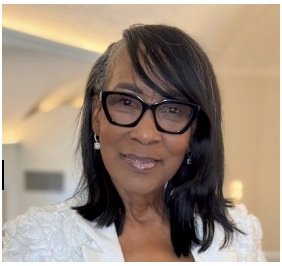
Contributor:
Jaqueline Payne, Chief Program Officer, YWCA Dayton